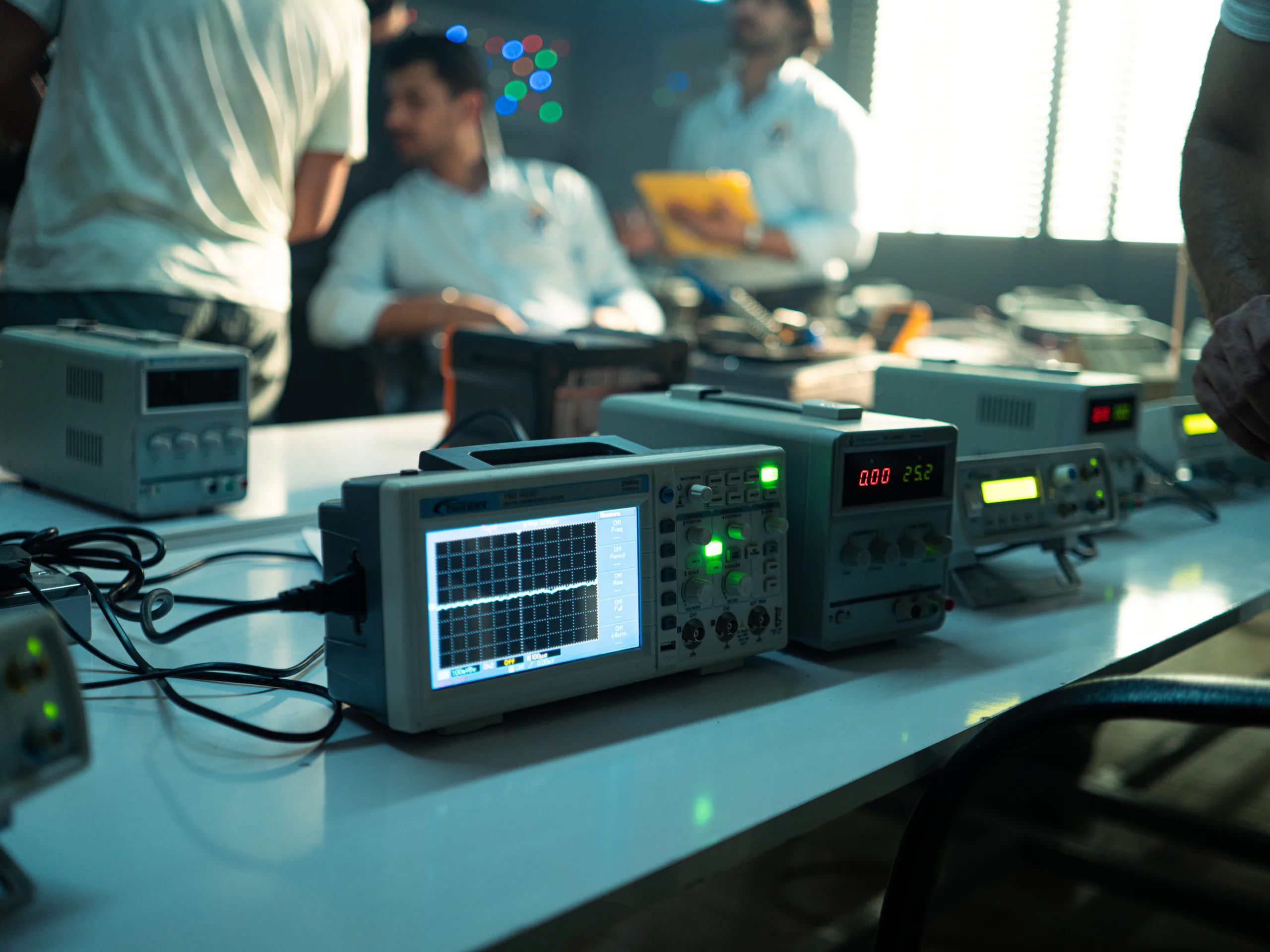
Electrical verification instruments at the group R&D facility

END-TO-END PRODUCT DEVELOPMENT

From product concept to reliable mass production.

OEM/ODM support for smart lighting and light-based beauty products—from product definition and engineering to validation, pilot build and mass-production launch.

TWO COOPERATION PATHS

Start with what you already have.

A complete design and an early idea require different responsibilities. We define the route, boundary and review points before development begins.

OEM

Build from a mature design

For programs with drawings, a BOM or an approved sample. We support manufacturability review, material planning, quality definition, pilot build and controlled production launch.

Best starting point: drawings, specification, sample and forecast

ODM

Develop from a market opportunity

For brands with a use case, category direction or early concept. We work through product definition, engineering, prototype validation, pilot build and production launch.

Best starting point: use case, target market, price and launch plan
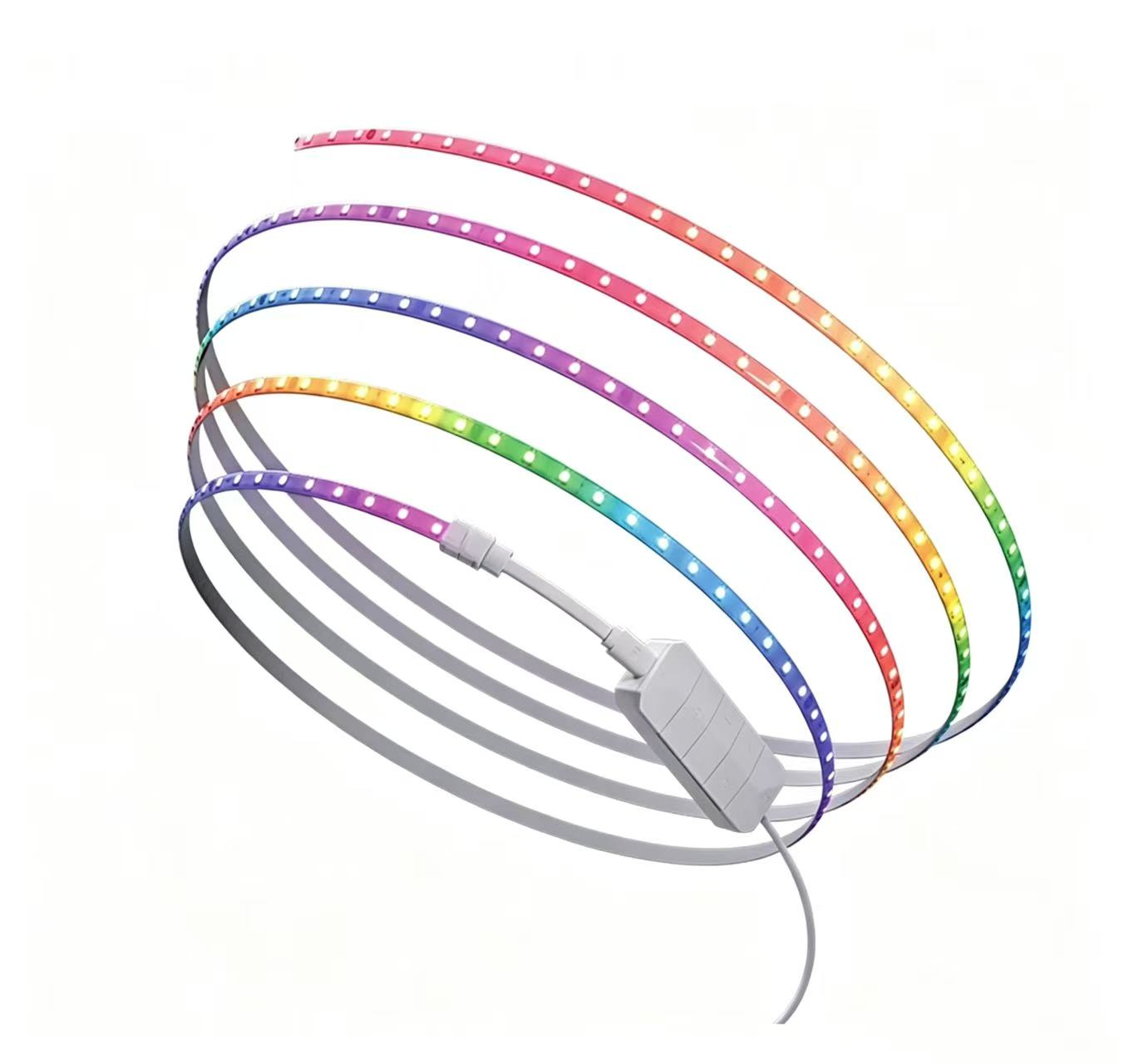
Smart-lightstrip direction with controller
01 / SMART LIGHTING

Intelligent lighting programs

Customer-program experience spans high-density smart lightstrips, connected bulbs, flexible rope lights and modular display lighting, extending to screen-sync, outdoor and product-integration programs developed across light architecture, mechanics, control and pack-out.

02 / BEAUTY DEVICES

Light-based beauty programs

Flexible or rigid LED masks, red/near-infrared panels and control systems defined around intended use, optical parameters, product ergonomics and target market.

SERVICE CONTENT

Eight disciplines around one product brief.

The exact scope is confirmed per program; specialist work may be delivered directly or coordinated with qualified partners where appropriate.

01

Product definition & feasibility

02

Industrial design & CMF coordination

03

Mechanical & tooling development

04

Electronics & control architecture

05

Optical & thermal engineering

06

Firmware & interaction coordination

07

Prototype, test & verification

08

Pilot build, production & supply coordination

DEVELOPMENT WORKFLOW

Eight stages, with inputs, outputs and quality gates visible.

Complexity, tooling, software and compliance can change the timing—not the discipline of making each decision reviewable.

  1. 01

    Project discovery

    Align intended use, target market, product concept, expected volume, target cost and launch window; confidentiality arrangements can be confirmed as required.

    INPUT
    Use case · market · volume · timing
    OUTPUT
    Structured project brief
    GATE
    Scope alignment
  2. 02

    Feasibility & proposal

    Review the technical route, manufacturability, major risks and project boundaries, then define scope, milestones and a preliminary commercial proposal.

    INPUT
    Brief and reference direction
    OUTPUT
    Technical route · risks · initial range
    GATE
    Feasibility review
  3. 03

    Product definition

    Confirm the functional brief, target specifications, industrial-design direction, materials, interaction, test plan and acceptance criteria.

    INPUT
    Approved route and business target
    OUTPUT
    Specification · acceptance criteria
    GATE
    Definition freeze
  4. 04

    Parallel engineering

    Coordinate industrial design, mechanics, electronics, optics, thermal strategy, control logic and packaging as one product system, according to project scope.

    INPUT
    Frozen specification
    OUTPUT
    Optical · electronic · mechanical design
    GATE
    Engineering review
  5. 05

    Prototype & EVT

    Build functional prototypes, verify core functions and target parameters, record issues and complete the agreed engineering changes.

    INPUT
    Engineering package
    OUTPUT
    Functional prototype · issue list
    GATE
    EVT closure
  6. 06

    DVT & compliance readiness

    Validate the design against the agreed functional, reliability, environmental and packaging plan; the compliance route and pre-tests are project- and market-specific.

    INPUT
    EVT revisions and market route
    OUTPUT
    Validation record · compliance readiness
    GATE
    DVT approval
  7. 07

    Pilot build & PVT

    Verify assembly processes, inspection criteria, production fixtures, packaging and controlled documents, then approve the reference sample for production.

    INPUT
    Approved design and process draft
    OUTPUT
    Pilot lot · golden sample · process files
    GATE
    PVT release
  8. 08

    Mass production & improvement

    Run production and agreed quality gates, coordinate delivery, and manage feedback, engineering changes and ongoing improvement through the product lifecycle.

    INPUT
    Released design and forecast
    OUTPUT
    Production · inspection · delivery record
    GATE
    Controlled delivery

ENGINEERING EVIDENCE

Decisions are tested against real equipment and process conditions.

Group facilities shown below support project-level review. Exact tests and production processes are defined for each product program.

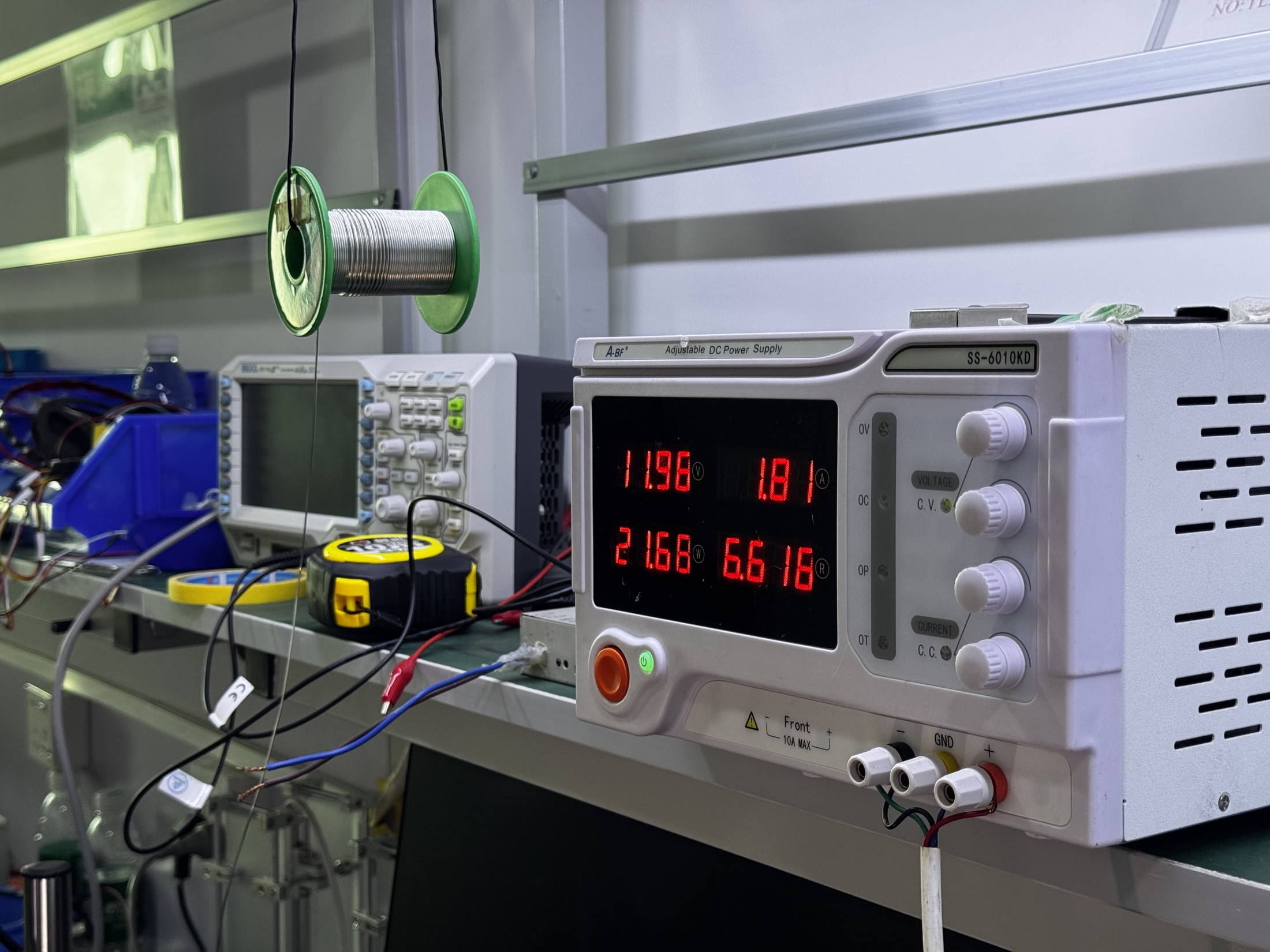
Electrical verification instruments
VERIFYElectrical and functional verification
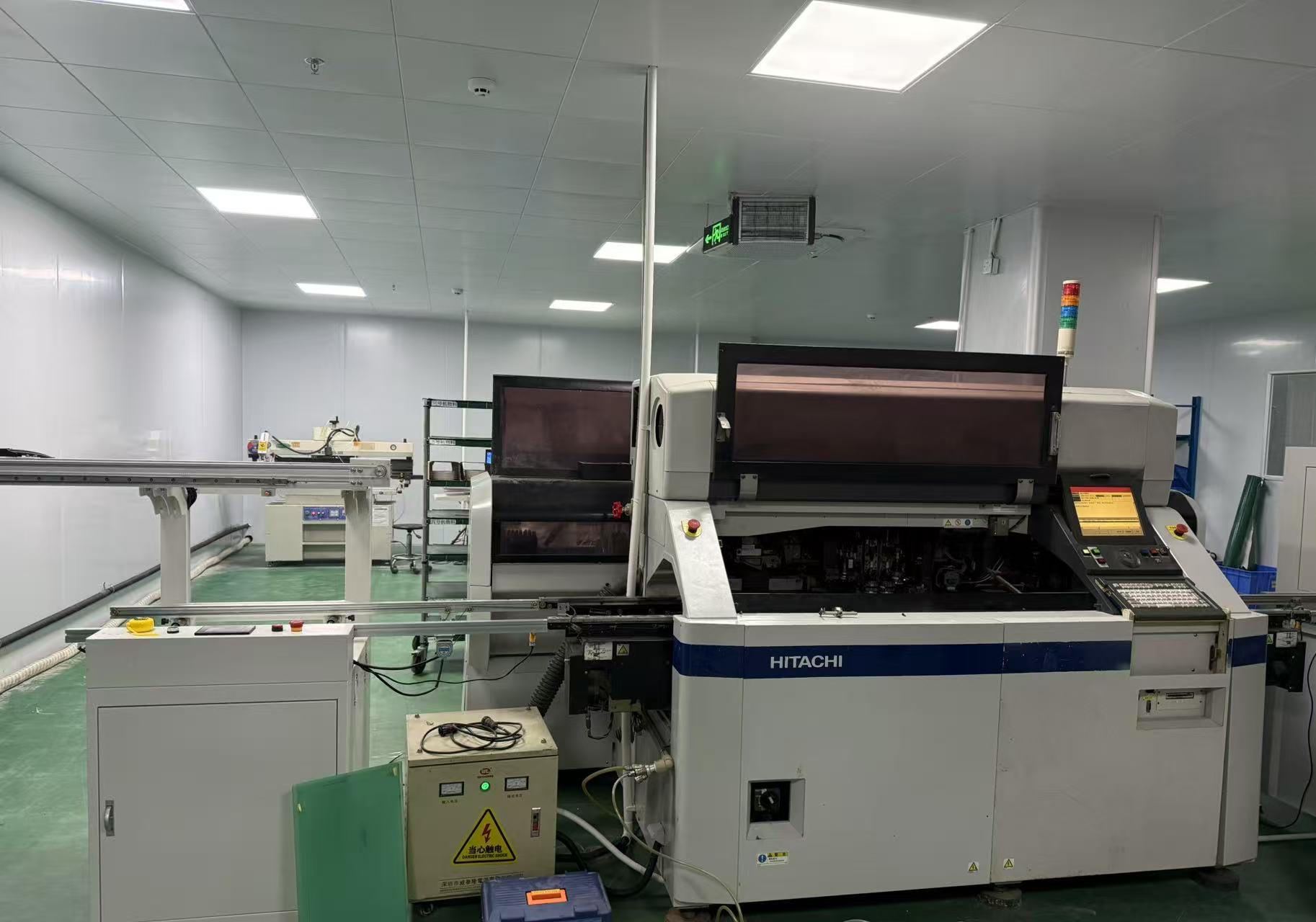
SMT production equipment
BUILDElectronics build and production transfer
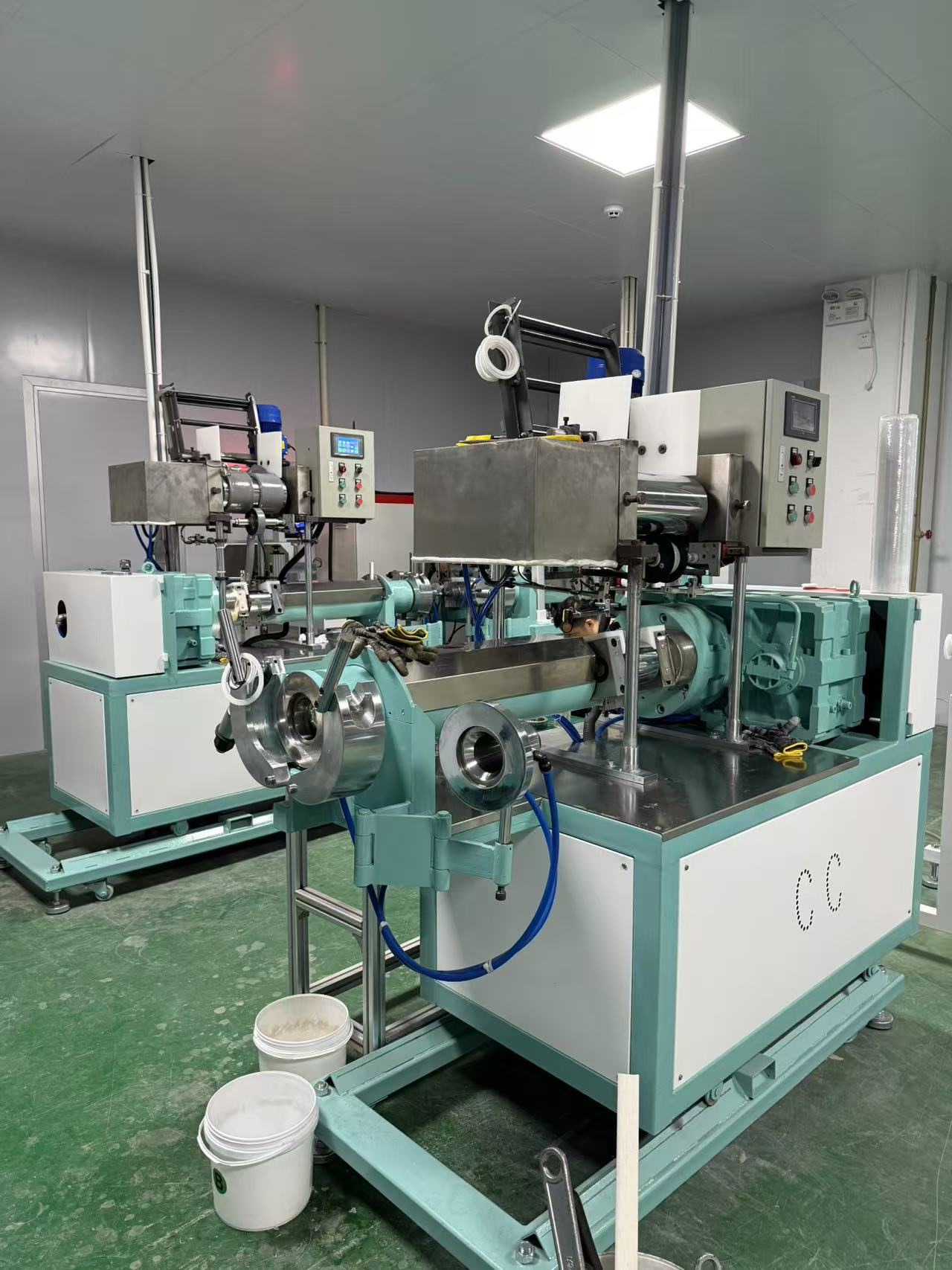
Extrusion process equipment
PROCESSFlexible-material process coordination

CUSTOMIZATION SCOPE

Differentiate the product—not just the logo.

Customization can extend from architecture and light behavior to finish, software coordination and market-facing documentation.

01

Industrial design & mechanical structure

02

PCB and electronic architecture

03

Optical layout & light parameters

04

Lighting programs & control logic

05

App / mini-program coordination

06

Branding, color and surface treatment

07

Packaging and multilingual manuals

08

Market-specific testing coordination

PROJECT STARTER

This is enough to start a useful first conversation.

An incomplete brief is welcome. We use what you have to identify gaps, risks and the next decisions required.

  1. 01Product idea, drawing or reference sample
  2. 02Target market and regulatory region
  3. 03Core functions and performance target
  4. 04Expected volume and target cost range
  5. 05Branding, packaging and instruction needs
  6. 06Target launch date and key milestones

OEM / ODM PROJECT

Ready to start an OEM / ODM program?

Share the product concept, target market, expected volume and launch plan. We’ll help define a practical route from idea to production.

Start a conversation